Protect the Farm, Property, Equipment, and Work Behind It
Your farm may be your home, your business, or a combination of both. Whether you own a small hobby farm, raise livestock, operate a working commercial farm, or welcome customers onto your property, your insurance needs can be very different from those of a typical homeowner or business owner.
Ellis Insurance Agency can help you understand the risks associated with your farm and explore insurance options designed around your property, equipment, animals, activities, and operation.
What Is Farm Insurance?
Farm insurance is a type of coverage designed for properties that combine residential, agricultural, and business-related risks. Depending on the policy and carrier, it may include protection for the farmhouse, household belongings, barns, outbuildings, machinery, equipment, and farm liability.
Farm package policies commonly combine property and liability protection. The property portion may cover a dwelling, household belongings, farm structures, and mobile agricultural machinery, while the liability portion may help when someone is injured or property is damaged in connection with covered farm activities.
Because no two farms are operated in exactly the same way, coverage should be selected based on the property, activities, equipment, animals, income sources, and risks involved.
Who May Need Farm Insurance?
A property does not have to be a massive commercial operation to create farm-related risks. Even a smaller operation may need coverage beyond a conventional homeowners policy when land, structures, machinery, animals, or income-producing activity are involved.
Farm insurance may be appropriate for:
Working Family Farms
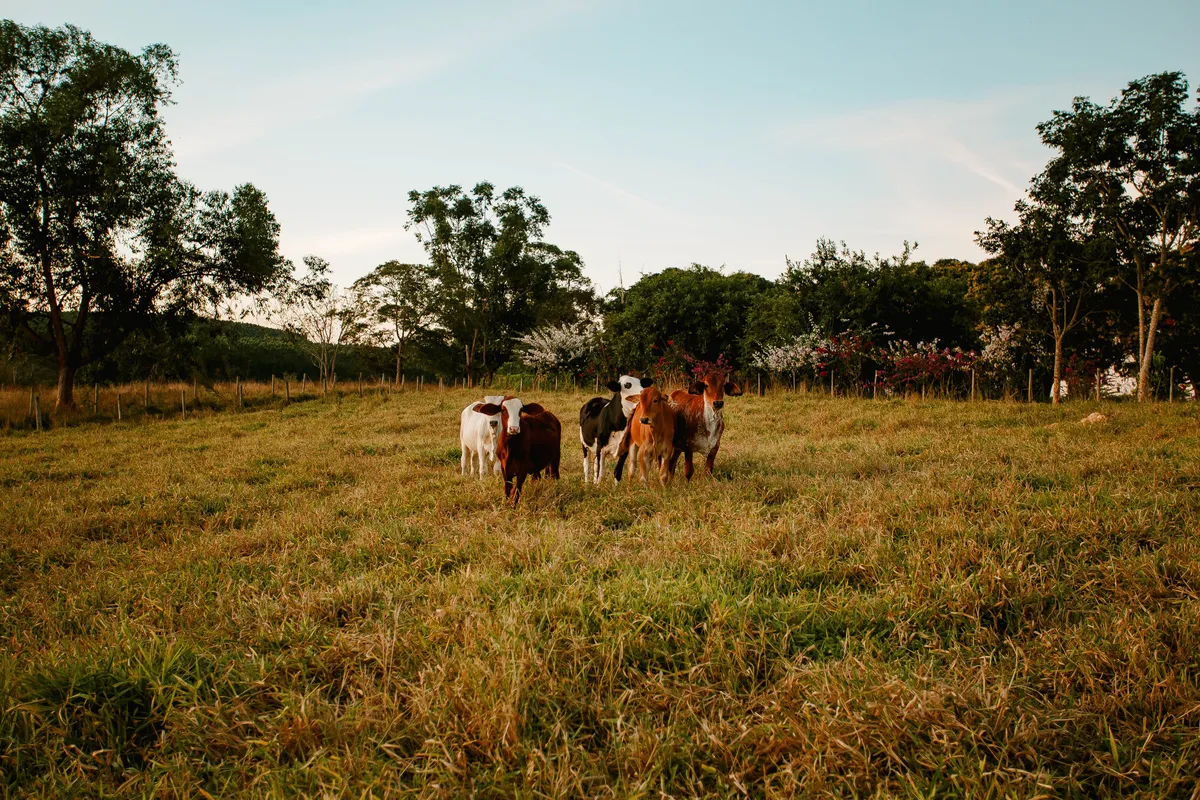
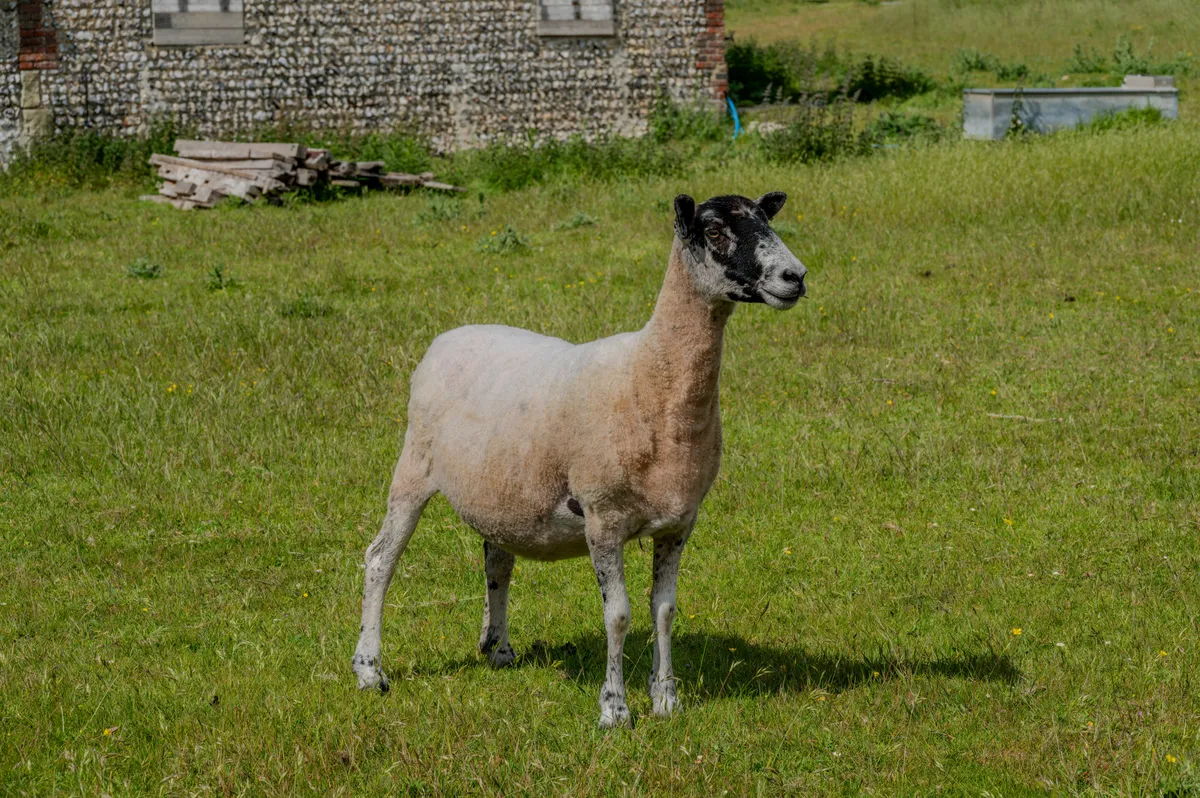
Livestock & Cattle Operations
Horse Farms
Hobby Farms
Crop-Producing Farms
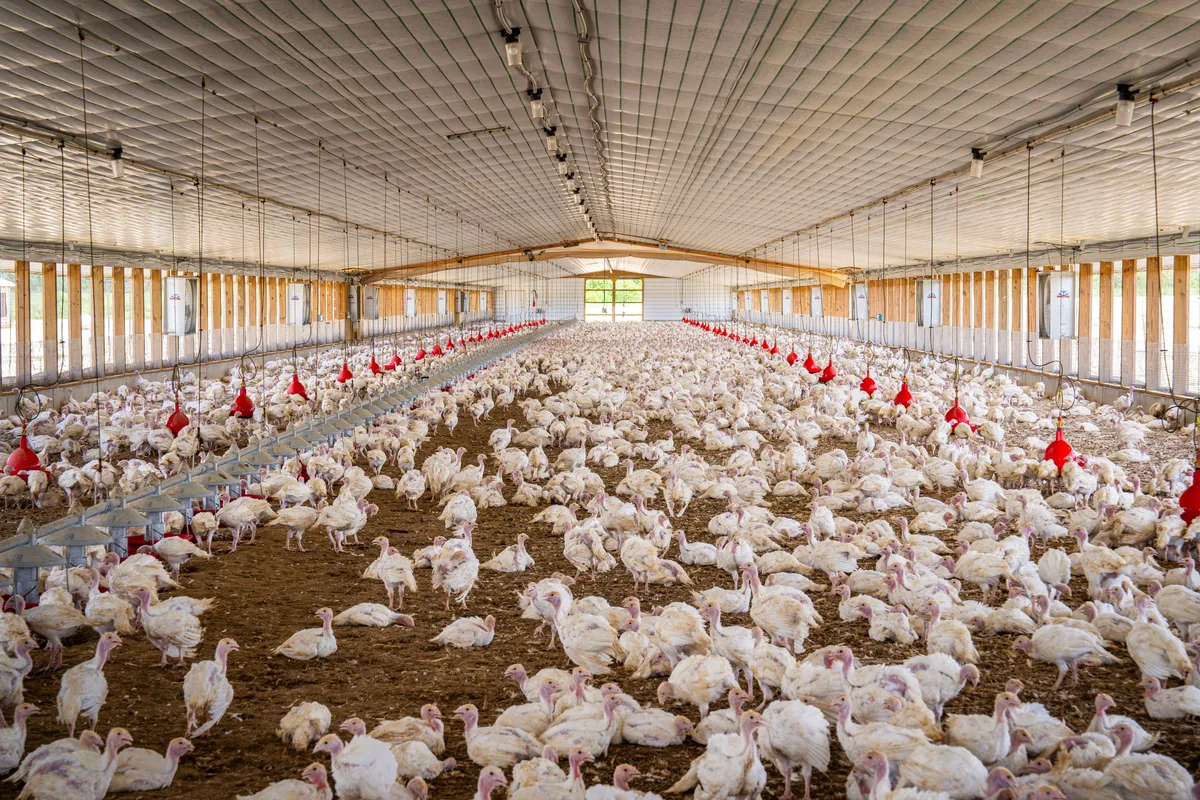
Poultry Operations
Dairy Farms
Orchards, Vineyards & Nurseries
Farms with Barns & Silos
Tractors & Farm Machinery
Farms That Sell Products or Host Visitors
Owners Who Live on the Property
Know the Difference
A working farm can combine residential, agricultural, business,
property, and liability risks. Understanding where different
policies fit can help you identify potential gaps.
Farm Insurance Is Not the Same as Crop Insurance
Farm Insurance
Property, buildings, machinery, farm personal
property & liability.
Crop Insurance
Protection against certain crop-yield losses,
revenue losses, or both.
Farm insurance and crop insurance address different risks.
A farm package policy generally focuses on the farmhouse,
buildings, machinery, farm personal property, and liability.
Crop insurance is designed to protect agricultural producers
from certain crop-yield losses, revenue losses, or both.
The two major crop insurance categories are federally supported
multiple-peril crop insurance and private crop-hail insurance.
Multiple-peril coverage may address losses caused by qualifying
natural events or revenue declines, while crop-hail insurance
generally protects against narrower causes such as hail and,
in many policies, fire.
Depending on the operation, a farmer may need both farm property
and liability insurance and separate crop coverage.
Why a Homeowners Policy May Not Be Enough
A traditional homeowners policy is primarily designed for
residential property and personal activities. It may not
adequately protect agricultural buildings, business equipment,
farm products, livestock exposures, employees, or
income-producing activities.
Barns Used for Commercial Farming
High-Value Tractors & Machinery
Farm Inventory & Supplies
Livestock-Related Liability
Customers Visiting the Property
Products Sold From the Farm
Agricultural Business Income
Employees & Seasonal Workers
Custom Work Performed for Others
Trying to fit a working farm into a residential policy can create
serious gaps. A farm policy is structured to account for the
combination of home, property, equipment, and agricultural operations.
Understanding Your Farm Coverage
Your property, equipment, activities, and operation all play a role
in determining what coverage may be appropriate.
What Affects the Cost of Farm Insurance?
Farm insurance premiums vary because each property and operation
presents a different combination of risks.
Property
Location, total acreage, farmhouse value and age, plus the number,
construction, and condition of farm buildings.
Operation
Type and size of the operation, livestock, crops, products,
public access, agritourism, and direct-to-consumer sales.
Equipment
The value of tractors, machinery, equipment, supplies, fuel,
chemicals, and other farm property.
People & Liability
Employees, seasonal labor, visitors, customers, and custom
farming services performed for others.
Policy Factors
Claims history, coverage limits, deductibles, fire protection,
and distance from emergency services.
The lowest premium is not always the strongest option. The goal
should be a practical balance between affordability and meaningful
protection.
How to Prepare for a Farm Insurance Review
A detailed review helps your insurance agent understand the property
and recommend appropriate options. Before requesting a quote, gather:
Farm physical address and acreage
Details about the residence
List of barns and outbuildings
Estimated replacement values for structures
Inventory of tractors and machinery
Equipment serial numbers when available
Information about livestock
Description of crops or agricultural products
Employee or seasonal worker information
Information about customers or visitors
Farm markets, roadside stands, or agritourism
Current policies and coverage limits
Recent improvements or new construction
Prior insurance claims
Helpful Records
Photographs • Receipts • Equipment Lists • Building Records
Farm Insurance for Changing Operations
Farms rarely stay exactly the same from year to year. Changes to
your equipment, property, people, or activities may also change
your insurance needs.
Purchase or finance new equipment
Build or renovate a barn
Add livestock
Begin boarding horses
Hire employees
Open the farm to visitors
Add a farm stand or retail operation
Begin delivering products
Offer custom work for other farms
Add a commercial kitchen
Lease land or buildings
Expand into a new type of agricultural activity
A quick conversation before making a major operational change
can help identify potential coverage gaps before a loss occurs.
Why Work With Ellis Insurance Agency?
Farm insurance is not a one-size-fits-all product. The correct
coverage depends on what is located on the property, what work
is performed, who visits, what equipment is used, and how the
farm generates income.
Ellis Insurance Agency takes the time to learn about the
operation rather than treating every farm like a standard
home or generic business.
Review Your Existing Farm Insurance
Identify Property & Liability Exposures
Consider Coverage for Buildings & Machinery
Evaluate Limits & Deductibles
Explore Available Carrier Options
Understand Important Exclusions
Update Coverage as Your Farm Changes
Ask More Informed Questions Before Choosing a Policy
Services We Offer
Hobby & Personal Farm Insurance
You don't have to operate a large commercial farm to have farm-specific insurance needs. Hobby and personal farms may include a farmhouse, barns, livestock, tractors, equipment, fencing, and other property that should be considered when reviewing your coverage. Ellis Insurance Agency can help you understand how your homeowners and farm insurance may work together.
Commercial Farm Insurance
Working farms can combine property, equipment, livestock, liability, and business risks within one operation. Whether you raise livestock, use specialized machinery, employ workers, sell farm products, or operate on multiple properties, we'll help you review the exposures associated with your farm and explore appropriate coverage options.
Farm Property, Equipment & Livestock
Your farm may include barns, stables, sheds, tractors, machinery, tools, fencing, livestock, and other valuable property. Farm insurance can help address these unique exposures. We'll help you identify the property and equipment that should be considered so you can better understand how your policy protects your operation.
Farm Liability & Agritourism
Farmstands, hayrides, pick-your-own events, customers, visitors, and other activities can create liability exposures beyond those of a traditional farm. If people visit your property or your farm has expanded into new income-producing activities, Ellis Insurance Agency can help you review how those activities affect your insurance needs.
Farm Insurance Questions, Explained
Farm insurance can become complicated because your home, property, animals, equipment, and business activities may all exist in the same place. These quick videos from Ellis Insurance Agency explain several situations farm owners should consider.
Learn More About Covering Livestock on Your Farm Insurance Policy
Livestock can create both property and liability considerations. The type of animals you own, how they're used, their value, and the circumstances surrounding a loss can all affect how coverage applies.
Do You Offer Hayrides or Picking Events?
Inviting customers onto your farm can change your liability exposure. Hayrides, pumpkin patches, pick-your-own operations, and other seasonal activities should be discussed with your insurance agent so your coverage reflects what is actually happening on your property.
Considering Opening a Farmstand?
Selling products directly to customers may introduce new business and liability considerations. Before opening a farmstand, it's important to understand how the activity could affect your existing farm insurance.
Curious How Home Insurance and Farm Insurance Work Together?
Your farmhouse may be located on the same property where you keep livestock, store machinery, maintain barns, or conduct farming activities. Understanding where homeowners coverage ends and farm coverage begins can help you identify potential gaps.
Why Choose Ellis Insurance Agency?
Personalized Insurance Solutions
At Ellis Insurance Agency, we don’t believe in one-size-fits-all coverage. As your trusted insurance agent in Charleston, WV, we take the time to understand your unique needs, ensuring you get the right policy with the best protection—tailored specifically for you.
Local Expertise, Personalized Service
As a locally trusted insurance agency in Charleston, WV, we know the challenges and risks our community faces. Our team provides hands-on, personalized service with expert guidance to ensure you have the right coverage for your home, business, or vehicle—so you’re always prepared for the unexpected.
Affordable, High-Quality Coverage
We work with top-rated insurance providers to offer comprehensive policies at competitive rates. Our goal at Ellis Insurance Agency is to help you maximize protection without overspending, ensuring you get the best value for your money while securing your future.
Dedicated Customer Support
At Ellis Insurance Agency, you’re more than just a policyholder—you’re family. Our team is always available to answer your questions, assist with claims, and provide ongoing policy reviews to ensure your coverage grows with your needs. Your peace of mind is our priority.
Fast, Hassle-Free Claims Assistance
When the unexpected happens, we’re here to help. Our insurance experts in Charleston, WV, provide quick, reliable claims advice, guiding you through the process with ease and efficiency, so that you can focus on getting back to what matters most.
A Reputation
You Can Trust
With years of experience serving WV, OH, KY, TN, NC, SC, and beyond, Ellis Insurance Agency has built a reputation for honesty, reliability, and Excellence. Our commitment to integrity and client satisfaction makes us the go-to insurance agent for individuals, families, and businesses looking for trustworthy, long-term protection.
We start by listening. Our team at Ellis Insurance Agency takes the time to understand your unique situation, lifestyle, and budget. This allows us to recommend tailored insurance solutions that provide the best protection for you, your family, or your business.
Once we understand your needs, we research and compare policies from top-rated providers. Our goal is to offer you the best coverage at the most competitive rates, ensuring you receive maximum protection without unnecessary costs.
After evaluating your options, we provide clear, straightforward recommendations. We walk you through each policy detail, answering your questions and ensuring you feel confident in your insurance choices before making a final decision.
Once you choose which policy meets your needs, we’ll send you all the forms electronically so that you can e-sign in seconds right from your phone or computer. This smooth, hassle-free purchase experience keeps things simple and efficient so you can get covered quickly without the frustration of complicated forms, paperwork, or delays.
Insurance needs change over time, and we’re here to help. We provide regular policy reviews and updates to make sure your coverage stays aligned with your needs, whether you buy a new home, expand your business, or experience life changes.
When you need to file a claim, we make the process easy. Our dedicated team provides step-by-step guidance, fast responses, and personalized support, ensuring you get the assistance you need—without the stress or confusion.
Farm insurance may cover the farmhouse, personal belongings, barns,
agricultural structures, machinery, equipment, certain farm personal
property, and liability. Exact coverage depends on the policy and
endorsements selected.
Possibly. The size of the property is only one consideration. You may
need farm insurance when you have agricultural buildings, tractors,
livestock, farm income, employees, customers, or other activities that
fall outside the purpose of a standard homeowners policy.
The average cost of farm insurance for a small hobby farm depends on
several variables. Your pricing will be determined by the replacement
cost of your farmhouse, barns, and outbuildings, as well as how far you
are from the nearest fire department. We’ve written farm policies for
as little as $500 a year, while some larger and more secluded properties
can be $3,500 or more. If business exposures are added for the sale of
products or agrotourism (hayrides, petting zoos, U-Pick fields), those
additional classification codes are rated based on annual revenue.
We recommend no less than $300,000 in liability coverage for a farm
policy. The cost for additional liability is very affordable and is
based on personal or business credit and the type of farming being
conducted.
Farm insurance is not a one size fits all. We represent several carriers
that offer true farm insurance and also home insurance with the option
to add business exposures. We work with you to determine your farm’s
best fit with the ideal farm insurance company for your unique needs.
Farm insurance policies add animal liability insurance (ex. If your cow
escapes and damages someone else’s property or their vehicle). Farm
insurance also gives you the option for product liability insurance.
Your fresh vegetables, farm eggs, homemade jams and jellies, and more
can be covered under a farm policy, whereas home insurance would not
provide any product liability coverage. Farm insurance can also be a
great fit for large properties with multiple acres to insure.
Many farm policies can cover tractors and other agricultural machinery.
Higher-value equipment may need to be specifically listed, and coverage
may vary depending on whether machinery is owned, financed, rented,
borrowed, or used away from the farm.
Barns and other farm structures can often be insured under a farm policy.
The value, age, construction, condition, and use of each building may
affect eligibility and coverage.
Some policies offer coverage for livestock against specified causes of
loss. Coverage may be limited and does not automatically protect animals
against every illness, injury, or death. Specialized animal mortality
coverage may be available in certain situations.
Farm insurance commonly includes or offers farm liability coverage.
This may help with qualifying bodily injury or property damage claims
involving visitors, farm premises, livestock, or agricultural activities.
A general farm policy should not be assumed to provide comprehensive
crop-yield or crop-revenue protection. Separate crop insurance may be
needed for losses involving weather, disease, reduced yield, or
commodity revenue.
Usually not automatically. Farm insurance and crop insurance serve
different purposes. A farm package policy may cover buildings,
machinery, and liability, while crop insurance addresses qualifying
crop or revenue losses.
Some farm policies may cover certain fencing, but coverage can depend
on the type of fence, cause of loss, policy language, and applicable
limits. Fencing should be specifically discussed during the quote process.
Coverage may extend to equipment used away from the insured premises,
but this varies. The policy should be reviewed if machinery is
transported, used on leased acreage, loaned to another person, or used
to perform custom work.
Farmers who rent or lease land may still need coverage for their
equipment, farm personal property, liability, and operations. Property
owners and tenant farmers may have different responsibilities under the
lease, so the agreement should be considered during the insurance review.
Potentially. Farm markets, pick-your-own operations, festivals, tours,
event rentals, petting areas, and other agritourism activities can
create additional liability risks. These activities should be disclosed
to the insurance agent.
A standard farm liability policy should not be assumed to cover all
employee injuries. Workers’ compensation, employers liability, or other
coverage may be required or appropriate depending on the state, number
of workers, and nature of employment.
It may, depending on the nature and size of the business. Processing
products, operating a commercial kitchen, selling goods online, storing
customer property, or manufacturing products may require additional
business coverage.
A farm insurance review should generally occur at least once a year and
whenever there is a major change in buildings, equipment, livestock,
employees, acreage, ownership, or farm activities.
You may be asked for information about the property, acreage, residence,
barns, machinery, livestock, crops, employees, visitors, business
activities, prior claims, and current insurance. More complete
information usually results in a more accurate review.
Available options may include adjusting deductibles, reviewing limits,
improving property maintenance, updating electrical or heating systems,
adding safety measures, maintaining accurate equipment schedules, and
comparing carrier options. Reducing coverage purely to lower the premium
can create expensive gaps, so changes should be evaluated carefully.
Yes. Ellis Insurance Agency can review your existing policy, discuss
changes to your operation, and help identify areas that may need
clarification or updated coverage.
Have Questions? Contact Us!
Don't wait! Get in touch with our team for reliable insurance advice.
At Ellis Insurance Agency, we are committed to providing personalized, reliable insurance solutions that protect what matters most. As a trusted insurance agent in Charleston, WV, we make the time to understand your needs and educate you on insurance concepts, enabling you to make a smarter, more informed coverage decision. Whether you need home, auto, business, or life insurance, our expert team is here to guide you every step of the way, offering honest advice and top-tier protection tailored to you. Ready to secure your future with the right insurance policy? Contact Ellis Insurance Agency today! Call or text us at 304-984-3004 or visit our office in Charleston, WV. Let us help you find peace of mind with custom insurance coverage designed for you.
Ellis Insurance Agency is Charleston, WV’s trusted insurance agent, dedicated to protecting what matters most to you. With years of experience and a client-first approach, we provide tailored insurance solutions designed to meet your unique needs.